
सबसे तेज खबर/ शिमला
नौकरी तो बहुत से लोग करते हैं, लेकिन कुछ लोग अपनी ड्यूटी को ही अपना जुनून बना लेते हैं।” ऐसे ही एक बहुमुखी प्रतिभा के धनी अधिकारी हैं राजेश शर्मा, जो वर्तमान में जिला कुल्लू में अपनी सेवाएं दे रहे हैं। मूल रूप से जिला बिलासपुर की सीमा (3 किलोमीटर के दायरे) के रहने वाले राजेश शर्मा की कहानी किसी फिल्म की स्क्रिप्ट जैसी है जिसमें देश सेवा का जज्बा भी है, पहाड़ों को नापने का एडवेंचर भी, और बेजुबान जीवों की जान बचाने का साहसिक अभियान भी। सबसे तेज खबर के साथ खास बातचीत में उन्होंने अपने जीवन, करियर और अनुभवों के कई दिलचस्प पहलुओं को साझा किया। सेना से शुरू हुआ सफर, फिर संभाली वनों की कमान राजेश शर्मा के करियर की शुरुआत देश की आन-बान-शान भारतीय सेना (Indian Army) से हुई थी, जिसे उन्होंने साल 1996 में जॉइन किया था। सेना में वे बतौर इंस्ट्रूमेंट मैकेनिक (टेक्निकल ट्रेड) कार्यरत थे। साल 2001 तक देश सेवा करने के बाद वहां से वॉलंटरी डिस्चार्ज (स्वैच्छिक सेवानिवृत्ति) लेकर उन्होंने अपनी पढ़ाई जारी रखी। इसके बाद साल 2006 में उन्होंने ‘एचपी स्टेट कोऑपरेटिव बैंक’ में बतौर क्लर्क अपनी सेवाएं दीं। लेकिन उनके इरादे कुछ और बड़ा करने के थे। नौकरी के साथ-साथ वे लगातार प्रशासनिक सेवाओं की तैयारी करते रहे और आखिरकार साल 2008 में उनका चयन हिमाचल प्रदेश फॉरेस्ट सर्विसेज (HPFS) में हो गया। फॉरेस्ट सर्विस की ट्रेनिंग के दौरान राजेश शर्मा का झुकाव वाइल्डलाइफ (वन्यजीव) की तरफ बढ़ा। उन्होंने अपने शौक की शुरुआत बर्डिंग (पक्षियों को निहारने) से की, जो धीरे-धीरे वाइल्डलाइफ फोटोग्राफी में बदल गया। पहाड़ों से उनका प्रेम इतना गहरा है कि उन्होंने हिमाचल के सबसे कठिन और ऊंचे दर्रों (Passes) को ट्रैकिंग के जरिए फतह किया है। इनमें भावा पास, परांगला पास और पिन पार्वती पास जैसे बेहद दुर्गम और लंबे ट्रैक्स शामिल हैं।
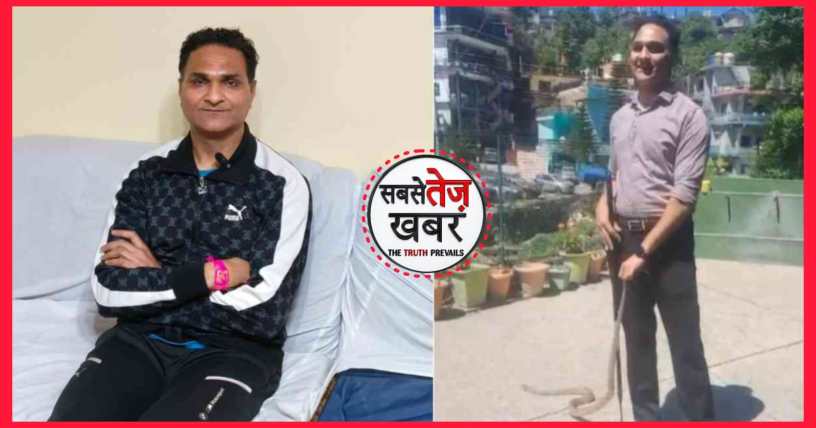
शिमला पोस्टिंग के दौरान उन्होंने प्रसिद्ध चूड़धार पीक को भी सभी रास्तों से एक्सप्लोर किया। राजेश शर्मा की एक और बड़ी पहचान ‘स्नेक रेस्क्यूअर’ के रूप में है। उन्होंने बताया कि समाज में सांपों को लेकर बहुत डर और अवेयरनेस की कमी है। इसी डर को दूर करने के लिए उन्होंने सांपों के व्यवहार का अध्ययन किया। उन्होंने बताया कि हमारे देश में जमीन पर रहने वाले 90% सांप जहरीले नहीं होते। हिमाचल के संदर्भ में केवल कोबरा, रसेल वाइपर और कॉमन करैत जैसे 3-4 सांप ही अत्यधिक जहरीले हैं, बाकी बिल्कुल बेअसर हैं।” शिमला पोस्टिंग के दौरान जब उनके पास सांप निकलने की पहली शिकायत आई, तो उन्होंने खुद आगे बढ़कर रेस्क्यू किया। इसके बाद तो उनका नंबर पूरे क्षेत्र में फैल गया। वे अब तक 150 से ज्यादा सफल स्नेक रेस्क्यू ऑपरेशंस कर चुके हैं। अब स्थिति यह है कि वन विभाग के ट्रेनिंग स्कूल और वेटरनरी कॉलेज में भी उन्हें युवाओं को ट्रेनिंग देने के लिए बुलाया जाता है। अक्सर लोग सांप को देखते ही मार देते हैं, इस पर चिंता जताते हुए राजेश शर्मा ने कहा, “सांप कभी भी इंसान को खुद से काटने नहीं आता। उसे इंसानों में कोई दिलचस्पी नहीं है, वह सिर्फ अपना बचाव करना चाहता है। हादसे तभी होते हैं जब अनजाने में उस पर पैर पड़ जाए या कोई उसे छेड़े।” उन्होंने युवाओं और वन विभाग के कर्मचारियों से अपील की कि वे सांपों के बारे में अध्ययन करें, ज़हरीले और बिना ज़हर वाले सांपों का अंतर समझें और बेजुबान जीवों की रक्षा करें। जब उनसे उनके परिवार के बारे में पूछा गया, तो उन्होंने मुस्कुराते हुए बताया कि उनके परिवार में माता-पिता, पत्नी और दो बेटियां हैं। बड़ी बेटी साइकोलॉजी (Psychology) में ग्रेजुएशन कर रही है। खास बात यह है कि पिता की तरह ही पूरा परिवार प्रकृति प्रेमी है। सरकारी आवास के चारों तरफ पक्षियों के लिए पानी रखने का जिम्मा घर के सदस्यों ने ही संभाल रखा है, जहां हर दिन अलग-अलग प्रजातियों के पक्षी आते हैं। नौकरी के साथ-साथ अपनी हॉबी को समाज सेवा और पर्यावरण संरक्षण का जरिया बनाने वाले राजेश शर्मा जैसे अधिकारी युवाओं के लिए एक सच्चे रोल मॉडल हैं। हिल्स पोस्ट टीम उनके इस जज्बे को सलाम करती है।
From National Service to Wildlife Conservation: Rajesh Sharma Becomes an Inspiration for Youth…
Sabse Tez Khabar / Shimla
“Many people hold jobs, but only a few transform their duty into their true passion.” One such officer, endowed with multifaceted talents, is Rajesh Sharma, who is currently serving in the Kullu district. A native of the border region (within a 3-kilometer radius) of Bilaspur district, Rajesh Sharma’s life story reads like a movie script—one that encompasses the spirit of national service, the adventure of scaling mountain peaks, and the courageous mission of saving the lives of voiceless creatures. In an exclusive interview with Sabse Tez Khabar, he shared several fascinating facets of his life, career, and experiences. A Journey Begun in the Army, Followed by Taking Command of the Forests: Rajesh Sharma’s career commenced with the pride and glory of the nation—the Indian Army—which he joined in 1996. While in the Army, he served as an Instrument Mechanic (Technical Trade). After serving the nation until 2001, he took a voluntary discharge to pursue further studies. Subsequently, in 2006, he served as a Clerk at the ‘HP State Cooperative Bank.’ However, his aspirations were set on achieving something far greater. Alongside his job, he continued to diligently prepare for the administrative services examinations, and finally, in 2008, he was selected for the Himachal Pradesh Forest Services (HPFS). During his training for the Forest Service, Rajesh Sharma’s interest gravitated toward wildlife. He began by pursuing birding (bird-watching) as a hobby, which gradually evolved into a passion for wildlife photography. His love for the mountains runs so deep that he has conquered some of Himachal’s most arduous and high-altitude passes through trekking. These expeditions include traversing extremely rugged and long trails such as the Bhaba Pass, Parang La Pass, and Pin Parvati Pass.
During his posting in Shimla, he also… [text cuts off] …the famous Churdhar Peak. He explored every avenue available to him. Another significant facet of Rajesh Sharma’s identity is his role as a ‘snake rescuer.’ He noted that there is a pervasive fear of snakes within society, coupled with a distinct lack of awareness regarding them. To dispel this fear, he undertook a comprehensive study of snake behavior. He explained, “In our country, 90% of terrestrial snakes are non-venomous. Specifically in the context of Himachal Pradesh, only three or four species—such as the Cobra, Russell’s Viper, and Common Krait—are highly venomous; the rest are entirely harmless.”
During his posting in Shimla, when he received his very first report of a snake sighting, he personally stepped forward to carry out the rescue operation. Following this incident, his contact details spread rapidly throughout the entire region. To date, he has successfully conducted over 150 snake rescue operations. The situation has now reached a point where he is frequently invited to the Forest Department’s training schools and veterinary colleges to impart training to young professionals. Expressing concern over the common tendency for people to kill a snake the moment they spot one, Rajesh Sharma remarked, “A snake never actively seeks out a human to bite. It holds no interest in humans; its sole objective is self-preservation. Incidents occur only when someone inadvertently steps on a snake or provokes it.” He appealed to the youth and the employees of the Forest Department to study snakes, learn to distinguish between venomous and non-venomous species, and dedicate themselves to protecting these voiceless creatures. When asked about his family, he smiled and shared that his household consists of his parents, his wife, and two daughters. His elder daughter is currently pursuing her graduation in Psychology. A particularly noteworthy aspect is that, much like the father, the entire family shares a deep love for nature. The family members have taken it upon themselves to place water bowls for birds all around their official residence—a spot visited daily by birds of various species. Officers like Rajesh Sharma—who have successfully transformed their personal hobbies into a means of social service and environmental conservation alongside their professional duties—serve as true role models for the youth. The Hills Post team salutes his passion and dedication.
Discover more from सबसे तेज़ खबर
Subscribe to get the latest posts sent to your email.
