
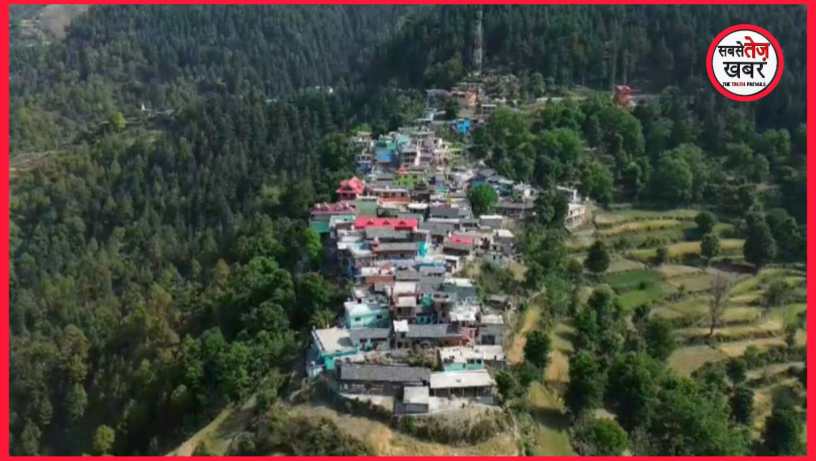
सबसे तेज खबर/ शिलाई (नीलम ठाकुर)
जहां एक ओर पंचायत चुनाव अक्सर खींचतान, गुटबाजी और खर्चीले मुकाबलों के लिए जाने जाते हैं, वहीं हिमाचल प्रदेश के जिला सिरमौर के शिलाई विधानसभा क्षेत्र की टटियाना पंचायत एक बार फिर अपनी अलग राह पर चलते हुए सुर्खियों में है। यहां चुनाव का मतलब टकराव नहीं, बल्कि सहमति, पारदर्शिता और सामूहिक निर्णय बन गया है. पिछले चुनाव में जिस तरीके से पूरे पंचायत पैनल का निर्विरोध चयन हुआ था, अब उसी मॉडल को इस बार भी अपनाने की तैयारी ने पंचायत को फिर चर्चा में ला दिया है। ग्रामीणों के अनुसार, गांव के चार प्रमुख बेड़ों (खानदानों) के बीच पहले से तय व्यवस्था के तहत पंचायत के पद प्रधान, उपप्रधान, बीडीसी और वार्ड मेंबर आपसी सहमति से बांटे जाते हैं। इस व्यवस्था का उद्देश्य यह सुनिश्चित करना है कि हर बेड़े को बराबर अवसर मिले और किसी भी तरह का असंतोष या विवाद पैदा न हो। जिस बेड़े की जिस पद पर बारी होती है, उसी के भीतर इच्छुक उम्मीदवार अपने नाम की पर्चियां डालते हैं. इसके बाद गांव की समिति की मौजूदगी में ‘लक्की ड्रॉ’ निकाला जाता है और जिस उम्मीदवार का नाम निकलता है, वही निर्विरोध रूप से उस पद पर चुन लिया जाता है।
इस प्रक्रिया को पूरी तरह व्यवस्थित और जिम्मेदार बनाने के लिए उम्मीदवारों से निर्धारित राशि भी जमा करवाई जाती है. पिछले चुनाव में प्रधान पद के लिए 4 लाख रुपए, उपप्रधान के लिए 2 लाख रुपए, बीडीसी के लिए 1 लाख रुपए और वार्ड मेंबर के लिए 50 हजार रुपए तय किए गए थे. चयनित उम्मीदवार की राशि गांव की समिति द्वारा रख ली जाती है, जबकि अन्य सभी प्रतिभागियों की राशि वापस कर दी जाती है. इससे एक तरह से गंभीर और जिम्मेदार उम्मीदवारों का चयन भी सुनिश्चित होता है। ग्रामीण माया राम शर्मा ने कहा कि, इससे एकत्रित धनराशि को गांव के आराध्य देवता महासू महाराज के मंदिर फंड में जमा किया जाता है. यह फंड केवल धार्मिक गतिविधियों तक सीमित नहीं रहता, बल्कि गांव के विकास कार्यों जैसे रास्तों का सुधार, पेयजल व्यवस्था, सामुदायिक भवनों का निर्माण और अन्य आवश्यक सुविधाओं में भी उपयोग किया जाता है. इस तरह यह पूरी प्रक्रिया चुनाव को केवल प्रतिनिधि चुनने तक सीमित नहीं रखती, बल्कि इसे सामूहिक भागीदारी और विकास का जरिया बना देती है। वहीं, ग्रामीण सुरेंद्र शर्मा, काका राम शर्मा और लाल सिंह शर्मा अन्य लोग मानते हैं कि इस मॉडल को अपनाने से पहले गांव में पंचायत चुनाव के दौरान अक्सर तनाव, आपसी खींचतान और गुटबाजी देखने को मिलती थी. कई बार चुनावी माहौल सामाजिक रिश्तों में भी कड़वाहट पैदा कर देता था, लेकिन पिछले चुनाव में इस व्यवस्था के लागू होने के बाद न केवल विवाद पूरी तरह खत्म हो गए, बल्कि गांव में भाईचारा, विश्वास और सहयोग की भावना भी पहले से कहीं ज्यादा मजबूत हुई है। इस पहल से चुनावी खर्च और समय की बर्बादी पर लगाम!
ग्रामीणों अनिल शर्मा का यह भी कहना है कि इस प्रक्रिया ने चुनावी खर्च और समय की बर्बादी को भी काफी हद तक कम किया है। जहां पहले चुनावों में अनावश्यक खर्च होता था, वहीं अब वही पैसा गांव के सामूहिक हित और विकास कार्यों में लगाया जा रहा है।इससे गांव के लोगों में एक सकारात्मक सोच विकसित हुई है और वे खुद को विकास प्रक्रिया का सक्रिय भागीदार महसूस कर रहे हैं। ग्रामीण कमलदीप शर्मा ने बताया कि, इस व्यवस्था को लेकर वे पहले ही देवता महासू महाराज के दरबार में संकल्प ले चुके हैं और इसका पालन पूरे गांव द्वारा सुनिश्चित किया जाता है। इस संकल्प के चलते हर व्यक्ति इस प्रक्रिया का सम्मान करता है और किसी भी तरह के विवाद से बचने की कोशिश करता है। गौरतलब है कि टटियाना पंचायत में पिछली बार बिना किसी चुनावी मुकाबले के पंचायत का गठन हुआ था, जिसने पूरे क्षेत्र में एक अलग उदाहरण पेश किया. अब आगामी पंचायत चुनाव को लेकर भी गांव में उसी सहमति आधारित प्रक्रिया को अपनाने की तैयारियां जोरों पर हैं। यदि इस बार भी यह मॉडल सफल रहता है, तो यह अन्य पंचायतों के लिए भी एक प्रेरणादायक उदाहरण बन सकता है।
No Elections, But a Celebration of Consensus in Sirmaur’s Tatiana Panchayat: Entire Panchayat Panel to be Decided via Lucky Draw…
Sabse Tez Khabar / Shillai (Neelam Thakur)
While Panchayat elections are often synonymous with political tussles, factionalism, and expensive contests, the Tatiana Panchayat—located in the Shillai Assembly constituency of Himachal Pradesh’s Sirmaur district—is once again making headlines by charting a unique path of its own. Here, the concept of an election has evolved from being a source of conflict into a process defined by consensus, transparency, and collective decision-making. The Panchayat is back in the spotlight as preparations are underway to replicate the very model used in the previous election, wherein the entire Panchayat panel was selected unopposed. According to the villagers, under a pre-established arrangement among the village’s four major bedas (clans), the various Panchayat posts—including those of Pradhan (Head), Up-Pradhan (Deputy Head), BDC member, and Ward Member—are distributed through mutual consensus. The objective of this system is to ensure that every clan receives an equal opportunity and that no form of discontent or dispute arises. When it is a specific clan’s turn to fill a particular post, interested candidates from within that clan submit slips bearing their names. Subsequently, in the presence of the village committee, a ‘lucky draw’ is conducted; the candidate whose name is drawn is then elected to that post unopposed.
To ensure that this process remains entirely organized and responsible, candidates are also required to deposit a prescribed fee. In the previous election, the fees were set at ₹4 lakh for the post of Pradhan, ₹2 lakh for Up-Pradhan, ₹1 lakh for the BDC member, and ₹50,000 for a Ward Member. The deposit made by the selected candidate is retained by the village committee, while the deposits of all other participants are refunded. In a way, this mechanism also serves to ensure the selection of serious and responsible candidates. Villager Maya Ram Sharma stated that the funds collected through this process are deposited into the temple fund of the village’s presiding deity, Mahasu Maharaj. This fund is not restricted solely to religious activities; it is also utilized for village development works, such as road improvements, drinking water supply systems, the construction of community buildings, and the provision of other essential amenities. Thus, this entire process does not merely limit elections to the selection of representatives; rather, it transforms them into a vehicle for collective participation and development. Meanwhile, villagers—including Surendra Sharma, Kaka Ram Sharma, Lal Singh Sharma, and others—note that prior to the adoption of this model, Panchayat elections in the village were frequently marked by tension, internal strife, and factionalism. Often, the electoral atmosphere would even sow bitterness within social relationships; however, since the implementation of this system during the last election, not only have disputes been completely eliminated, but the spirit of brotherhood, trust, and cooperation within the village has also grown stronger than ever before. This initiative has effectively curbed electoral expenditure and the wastage of time!
Villager Anil Sharma further observes that this process has significantly reduced both electoral costs and the wastage of time. While previous elections involved unnecessary expenditure, those very funds are now being channeled into initiatives for the collective welfare and developmental works of the village. This has fostered a positive mindset among the villagers, leading them to perceive themselves as active participants in the development process. Villager Kamaldeep Sharma revealed that they have already taken a solemn pledge regarding this system at the shrine of the deity, Mahasu Maharaj, and the entire village ensures strict adherence to it. Driven by this pledge, every individual respects the process and strives to avoid any form of dispute. Notably, during the last election cycle, the Tatiyana Panchayat was constituted without any electoral contest—setting a unique precedent for the entire region. Now, preparations are in full swing within the village to adopt this same consensus-based process for the upcoming Panchayat elections. Should this model prove successful once again, it could serve as an inspiring example for other Panchayats as well.
Discover more from सबसे तेज़ खबर
Subscribe to get the latest posts sent to your email.
